.jpg?width=94&height=94&crop=1:1,smart&quality=75)

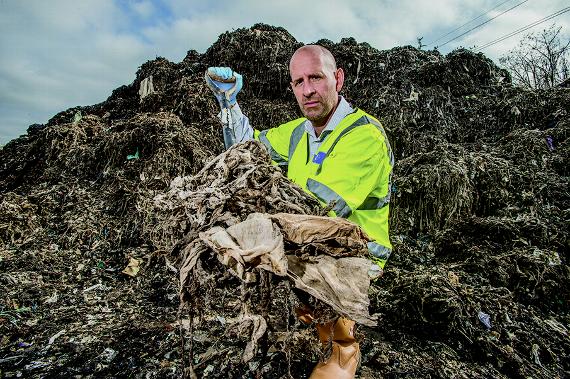
Wessex Water, which has its Operations Centre based at Claverton Down, Bath, has welcomed a decision by wet wipe manufacturers, Kimberly-Clark, to seek official ‘Fine to Flush’ approval for its products.
Earlier this month, the Advertising Standards Authority (ASA) banned a website advertisement for Andrex ‘flushable washlets’, which do not meet the UK water industry’s recognised standard.
Kimberly-Clark has now pledged to adopt the ‘Fine to Flush’ standard “at the earliest possible time,” and heed the advice of companies like Wessex Water, which has long campaigned for clearer labelling and marketing of wet wipes.
Many wipes on the market are described as flushable, but don’t carry the ‘Fine to Flush’ logo, meaning they contain plastic and do not break down like toilet paper when flushed.




This can lead to fatbergs in sewers, pollution and costly blockages, with people experiencing the misery of sewage flooding in their homes.
Wessex Water Director, Matt Wheeldon, said: “A huge proportion of the 13,000 sewer blockages we deal with on our network every year are caused by wet wipes that haven’t broken down when entering the sewer system.
“The ‘Fine to Flush’ standard was developed by the water industry body, Water UK, earlier this year, with a new logo to help avoid confusion and reassure customers.
“Having Kimberly-Clark on board feels like a major breakthrough, and Water UK is looking forward to working with them as they seek to meet the ‘Fine to Flush’ standard for their products.”
Organic brand Natracare launched the UK’s first moist tissue wipe that meets the industry standard, while two Waitrose & Partners products – Fragrance Free and Lightly Fragranced moist toilet tissues – have since got ‘Fine to Flush’ approval.
Wessex Water wants all other wipes on the market to be clearly labelled ‘Do Not Flush’, avoiding any confusion for customers.
“The ‘Fine to Flush’ logo means free from plastic and rigorously tested, meaning the wipe will not only physically pass around a toilet U-bend but will also break down in the sewer system,” Mr Wheeldon said.
“Anything else should be marked ‘Do Not Flush’, with nothing inbetween. It’s as simple as that.”
Comments
This article has no comments yet. Be the first to leave a comment.