
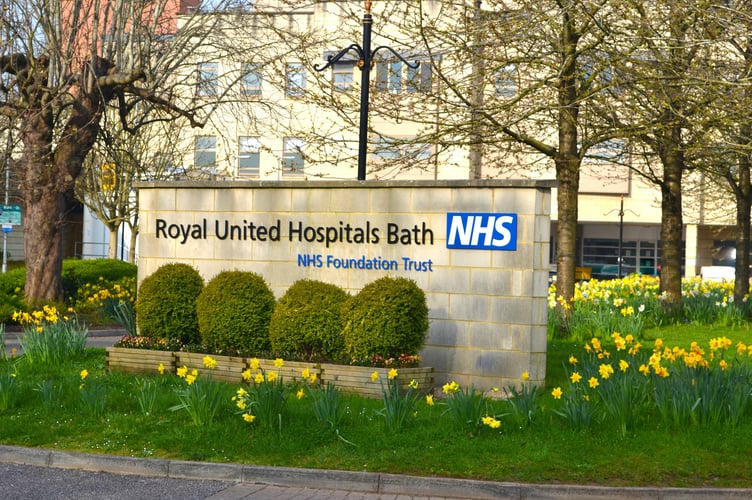
People in Bath and North East Somerset, Swindon and Wiltshire are being urged to choose the right services for their needs over the coming days as the local health and care system faces increased pressure due to industrial action by junior doctors.
The industrial action is taking place at the Royal United Hospitals NHS Foundation Trust in Bath, Great Western Hospitals NHS Foundation Trust in Swindon and Salisbury NHS Foundation Trust. Strikes began on Monday 13th March and is scheduled to continue for 72 hours until 06:59 on Thursday 16th March.
Members of the public are being asked to help by using services wisely and taking simple steps to help ensure that care is available to those patients who really need it most.




This includes using 111 online as the first port of call for health needs, or for advice on which service to use and continuing to only use 999 if it is a life-threatening emergency, when someone is seriously ill or injured and their life is at risk.
People with hospital appointments should continue to come forward for the care they need and do not need to call to check if appointments are going ahead. If appointments do need to be rearranged, patients will be contacted directly.
Regardless of any strike action taking place, it is really important that patients who need urgent medical care continue to come forward as normal, especially in emergency and life-threatening cases.
Dr Amanda Webb, Chief Medical Officer at Bath and North East Somerset, Swindon and Wiltshire Integrated Care Board said: “Health services across Bath and North East Somerset, Swindon and Wiltshire will be under increased pressure over the next few days because of the disruption caused by industrial action.
“We are appealing to the public to support the NHS by using services sensibly, using 111 online and keeping 999 and our Accident and Emergency departments clear for genuine life-threatening emergencies.
“Despite these pressures, it is important that no one should be put off seeking urgent or emergency care and people with serious, life-threatening conditions should continue to come forwards for help.”
Junior doctors are taking part in the strikes over unfair pay and working conditions. Nearly 40,000 junior doctors voted to take industrial action in the recent ballot and hospital trusts and employers were notified of the walk out going ahead.
The co-chairs of the British Medical Association (BMA) junior doctors’ committee, Dr Rob Laurenson and Dr Vivek Trivedi, said patients and public alike need to know the blame for the strike action lies squarely at the Government’s door.
“The fact that so many junior doctors in England have voted yes for strike action should leave Ministers in absolutely no doubt what we have known for a long time and have been trying to tell them, we are demoralised, angry and no longer willing to work for wages that have seen a real terms decline of over twenty six percent in the past fifteen years. This, together with the stress and exhaustion of working in an NHS in crisis, has brought us to this moment, brought us to a 72 hour walk out."
The British Medical Association (BMA) said doctors have asked for a pay rise to make up for fifteen years of inflation.
Comments
This article has no comments yet. Be the first to leave a comment.