
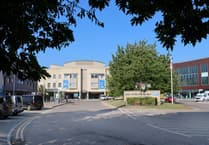
Researchers across the Royal United Hospitals Bath NHS Foundation Trust are celebrating International Clinical Trials Day (20th May) to highlight the contribution their studies have made to research into COVID-19, as well as many other illnesses.
Over the past year, thousands of people across the UK have volunteered to help with research to fight back against COVID-19. The life-saving vaccines, treatments and tests that have turned the tide against the pandemic have only been possible thanks to the people who volunteered to be part of research at the RUH and other hospitals up and down the country. The RUH has played a key role in these national COVID-19 studies, but research at the Trust goes far beyond COVID-19.
The RUH has a strong reputation for participating in national and worldwide research, with a portfolio of nearly 200 individual research studies that thousands of people take part in each year. The hospital offers research opportunities to patients in areas including cancer care, maternity, stroke, rheumatology, ageing and many more. They also support different types of research at the RUH, including trials of new medicines and treatments, studies that help to better understand disease progression and even the use of artificial intelligence to analyse scans and images.
Dr Kelly Spencer, Head of Research Operations, said: "The past year has shown what a real difference clinical research can make in treating and preventing disease. Participating in clinical research can benefit patients directly, indirectly and also help others in the UK and around the world.
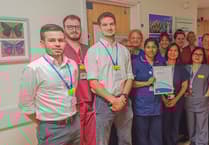
“It also helps to attract and retain high calibre staff and enhances the Trust’s reputation.
“We’re very proud of the wide range of studies we run at the RUH and the impact they have on some of the world’s most dangerous diseases, including COVID-19.
“These trials really make a difference to quality of life for so many people and we’re pleased that we can play our part.”
There are a huge number of studies currently underway at the Trust, examples of just a few include:
PARROT 2 - a study that will determine whether using markers in blood samples from pregnant women with suspected pre-eclampsia can reduce adverse outcomes.
DROPLET - a study to understand the progression of Type 1 diabetes following initial diagnosis in adults.
BADBIR - a study looking at treatment choices for adults with psoriasis.
BSR-PsA – British Society for Rheumatology Psoriatic Arthritis Register: a long-term study, which has been set up to investigate the impact of psoriatic arthritis (PsA) on quality of life, and to monitor the effectiveness and safety of treatments.
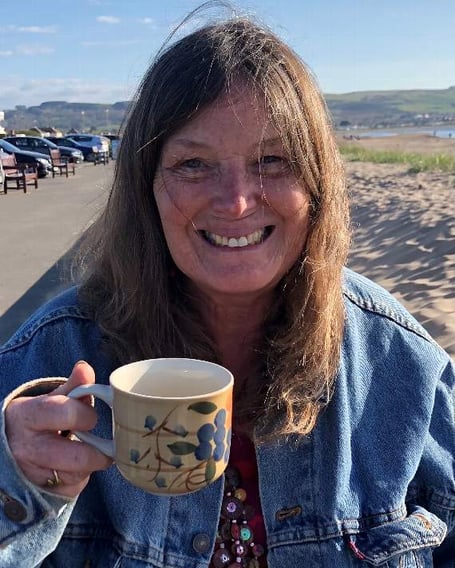
Nicky Hayward explains how taking part in a clinical trial changed her life after being diagnosed with Chronic Lymphocytic Leukaemia (CLL).
She says: "This was the first time I’ve ever taken part in research and I felt supported throughout by a team who couldn’t have been more helpful.
"I did initially find the literature describing the risks involved,and everything I should consider, a bit overwhelming - but I am happy to say that I didn’t experience a single adverse effect whilst on the medication.
"By around eight months on the drugs I had not only lost all the nodal swelling (in my neck, armpits and groin), but my blood results were also showing I was MRD (Minimum Residual Disease) Negative – in other words, I was in complete remission.
"When this condition was further confirmed by scans and a bone marrow aspiration, I was able to stop taking the drugs two years in, and I haven’t looked back since. This may be unusual, but I felt fit and well throughout my time on the trial and am back on course in my life, enjoying all the energy and strength I had before I was diagnosed with CLL.
"We do not know the long-term effects of drugs we’re only starting to use now, of course, and that’s one reason volunteers are needed.
"What I do know is that even ten years ago – with the treatments and scientific knowledge available then – I would have been unlikely to have lived more than a handful of years beyond diagnosis, whereas now I have the prospect of a future. Should issues crop up in time to come, I reason I’m still ahead of the game as I’ve been gifted a lease of life I would otherwise have been unlikely to enjoy."
International Clinical Trials Day marks the anniversary of the first clinical trial by James Lind in 1747 into the causes of scurvy on board HMS Salisbury.
Comments
This article has no comments yet. Be the first to leave a comment.