
"We do not need a handful of people doing zero waste perfectly, we need millions of people doing it imperfectly."
Lucy Tudor, one of the founders of the Midsomer Norton, Radstock Area Zero Waste Group, writes very frankly and realistically about recycling and how it can make our environment more sustainable.
“When lots of us make one small change, for example, taking our own bags shopping, a significant and positive difference for a better environment is achieved.
“This is the idea behind the group, set up in September last year, which has gathered almost 1,000 local members on our Facebook page.




“The page is working as a hub to bring together ordinary people, local businesses and organisations in our community with the objective of becoming more environmentally sustainable, sharing tips helping everyone to take small steps towards a greener lifestyle.”
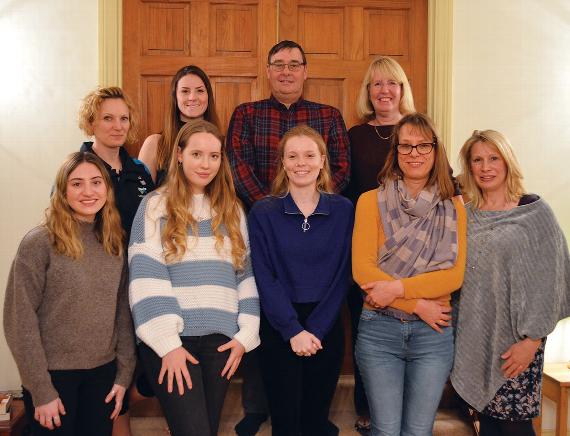
Following the declaration of a “Climate Emergency” by hundreds of local authorities, including Bath and North East Somerset, local residents, Laura Jardine, Lucy Tudor, Emma How, Megan Tudor, Jill and Craig Shaw, Emma Shaw and Lucy Ingram felt driven to do something practical but manageable to fit around work and family commitments, so took a first step by setting up the friendly and respectful Zero Waste Facebook group as a starting point.
The group have a passion for helping the environment, and found their backgrounds in recycling, waste reduction, environmental science, mechanical waste digesters and law, to be helpful when explaining the impacts of such to the group members.
Lucy continues: “Reducing our waste is key to reducing our carbon footprint and this is best done following the Waste Hierarchy: Reduce, Reuse, Recycle.
“There will always be a requirement for new things, but in recent decades, our consumption has risen to epic proportions, stripping the planet of resources at a rapid rate and consequently damaging habitats and using vast quantities of water in parts of the world where it is in short supply.
“If people in developing countries all came to live our western lifestyle, it is estimated we would need another four planet Earths to provide.”
Reducing our consumption of new material items to a sustainable level will reduce CO2 emissions; reusing items, such as buying second-hand furniture and clothing, refilling bottles and repairing items as much as possible. Recycling is the last option, whereby items which have no more re-use can be made into something new. While CO2 is produced in the recycling process, it is preventing new materials from being mined, or grown, helping to cut overall CO2 emissions.
New legislation is banning waste going abroad and will require all plastic packaging to contain a minimum of 30% recycled plastic from 2023. This should see a financial incentive for more plastic recycling plants to set up in the UK, and as a result, create jobs and reduce CO2 emissions, as well as cutting the amount of contaminated waste ending up getting dumped into the rivers and seas.
Waste that is separated before collection, as it is in B&NES and Mendip, is best, as it is less contaminated.
Many local people who have joined the Facebook group are finding that trying out and sharing tips on the page is subsequently reducing waste, their carbon footprint and supporting local wildlife.
You do not have to look far to find resources that can help locally. Shops in Midsomer Norton, Wellow, Timsbury and Farmborough offer refill schemes for items such as shampoo, conditioner, washing-up liquid and other cleaning liquids.
There are businesses who repair items such as washing machines, vacuum cleaners or furniture, plus local monthly repair cafés in Peasedown St John and High Littleton.
A local florist in Carlingcott grows her own flowers and foliage, with no chemicals or plastic wrapping and, as featured previously in The Journal, milk vending machines can be found outside Chilcompton Village Hall and in some local shops.
Some members have been trying out washing-up loofahs, instead of plastic sponges, reporting that this natural product is far better and lasts much longer, with no micro-plastics going down the plughole. Others have been reusing plastic bags from inside cereal boxes or frozen peas for storing food in the freezer or fridge, meaning they do not have to buy freezer bags or cling film.
Many of the members have been getting involved in local litter picks or picking up litter as they go. Just about everyone on the page is re-using coffee cups, water bottles and drinking tap water, instead of buying bottled water. Most brands of teabags and chewing gum contain plastic, but gradually, brands are moving over to plastic free teabags.
Did you know that storing emails in the cloud can contribute to CO2 emissions? Try to go through and regularly delete emails you do not need.
The Small Stuff baby equipment bank operates in Midsomer Norton and Radstock to help families by giving equipment, clothes and toys to others who can make use of them.
Lucy adds: “Most of us are leading really busy working lives, yet we are still keen to try and do our bit to become less wasteful and more environmentally considerate; it is so inspiring.
“I have learnt a great deal from locals on the page and am delighted to have discovered the Community Farm at Chew Valley who grow all kinds of produce; there is also a small-holding in Shoscombe who run their own vegetable box scheme with no plastic involved and a low carbon footprint due to low food mileage.
“Food waste is a huge issue, according to WRAP (Waste Resources Action Programme) – one in every five shopping bags of food we buy is wasted! Families can save around £60 a month by shopping more carefully, seasonally and making use of all the food we buy.
“It has also been suggested on the page to think positively about clothing banks and the fact that Midsomer Norton has so many charity shops, which I had not appreciated before now; it is good that items, especially clothing, have a chance to be re-homed and reused.
“I have read that in 2016, Britons bought 1.13 million tonnes of clothing, generating 26.2 million tonnes of CO2 and sending 235 million items of clothing to landfill.
“One of our members sug- gested not to buy an item of clothing unless we thought we would wear it at least thirty times or more, and there is a suggestion for people to ‘go shopping in their wardrobe’ – we sometimes forget what we have stored in there!
“People on the page have enlightened me to local vintage shops, markets and antique auctions, which are a great way to buy and reuse things and are often unique and cheaper. I have recommended a local reupholstering business on the page, which breathes new life into old sofas and chairs.
“Locals are also trying to switch off the lights, turn down the thermostat a little and take slightly shorter showers. A tough one for me has been to think about whether a car journey is necessary.
“We also are keen to support local wildlife and habitats, with many on our page saving newspapers for the hedgehog sanctuary in Cheddar, or making fat balls from waste food for the birds.”
The group founders have joined forces with a number of local initiatives and organisations who are taking action on climate change and waste.
Westfield Terracycle, an initiative previously reported on by The Journal, is run by a local resident who recycles certain items which cannot go into recycling boxes, such as; clean, empty crisp and biscuit packaging, bread bags, beauty products and pet food pouches. The full list of specific items can be found on the Westfield TerraCycle Facebook page. In order for the waste to be taken, the items need to be clean and bundled into their categories, secured with string or contained within a bread bag, or small cardboard box and then dropped off in the bins at 23 Elm Tree Avenue, Westfield.
‘Green Action NE Somerset’ (GANES), was set up to help local residents, businesses, town and Parish Councils and B&NES Council is also sup- ported by the page to improve the environment through green initiatives and activities.
If you are not a member of Facebook, but would like to see the tips offered on the page, just type Midsomer Norton, Radstock Area Zero Waste Group into your search engine.
Lucy added: “One idea is for local residents to be able to sign up to receive a quarterly or monthly email news update with tips and advice on small, easy and affordable steps to reduce waste and CO2.
“It may be that this will happen working in conjunction with other local groups or local councils, we are not sure yet, but we will spread the word, should we get this up and running.
“Trying to do your bit reducing waste and CO2 emissions can seem overwhelming, but remember, just by changing one or two things this year, you will make a difference.”
Comments
This article has no comments yet. Be the first to leave a comment.