
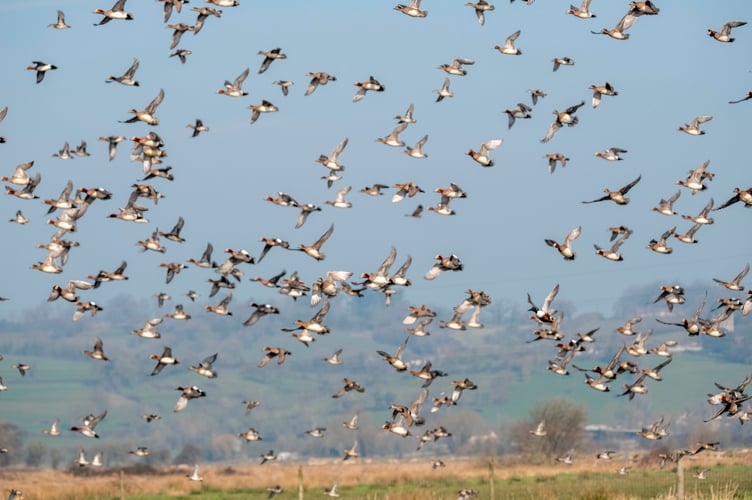
The RSPB tries to protect all wild life including that in your gardens.
Close to Bath, bird numbers are generally falling in common with farmland birds throughout Britain, Cirl Buntings, Nightingales, Turtle Dove, Corn Buntings, Grey Partridge Tree Sparrows and Wood Warblers all becoming extinct in or near to Bath in the last sixty years. Others like Swifts, Bull Finches, Sky Larks, Yellow Hammers, Meadow Pipits, Lesser Spotted Woodpeckers and Cuckoos are scarce and numbers continue to decline.
Further away sea birds often nest close together and have been hit hard this year by avian flu with losses of over 50% in some sites. Losses are also occurring at sea with large numbers of dead birds being washed ashore. Particularly sad is the plight of the rare Roseate Terns, thanks to a lot of RSPB effort protecting them and their eggs numbers rose to about 120 pairs only for flu to kill over half. Losses have also occurred amongst land birds but are more difficult to assess.
All is not gloom because the Avalon Marsh reserves set up by the RSPB, Natural England, Somerset Wildlife Trust and others have become famous. Even better, plans are afoot to join them up to make one huge nature reserve. Visits are good at any time of the year because the species present vary with the season. In winter, tens of thousands of ducks, geese, swans and waders coming here from places as far away as Russia and Greenland. Not interested in birds but like walking? then Ham Wall and Shapwick (side by side) are twelve square miles of flat walking by lakes and through reed beds and woods.



More good news is that Somerset now boasts breeding little, great and cattle egrets, cranes (with eight foot wingspan), more bitterns than existed in Britain thirty years ago, marsh harriers, marsh frogs, otters, many wild plants and invertebrates and more frequent visits by rarities like glossy ibis, night herons, little bitterns, purple herons and even ospreys.
Want to know more? The Bath and District RSPB runs monthly outings and indoor talks (suitable for everyone) at 1930 in St. Andrews Community Church, Hawthorne Grove, Bath. BA2 5QA, on the third Wednesday of each month and including subjects like Pine Martins, Stone Curlews, Wildlife Sound Recording and Restoring the Landscape.
John Yates
Comments
This article has no comments yet. Be the first to leave a comment.