
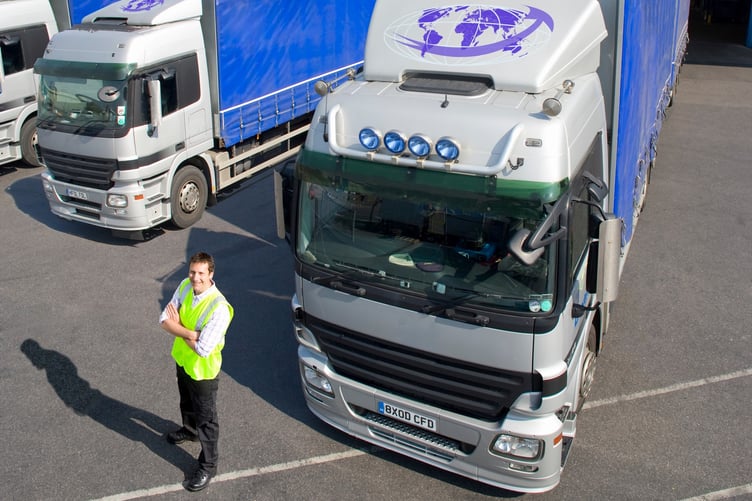
UK fleet operators are facing a harder trading environment in 2026.
Transport costs remain stubborn, inflation still affects day-to-day spending, and businesses across construction, logistics, and field services are being asked to do more with tighter margins. The Office for National Statistics said transport made one of the largest upward contributions to annual inflation in December 2025, underlining the pressure on firms that depend on vehicles to keep work moving.
That is changing the way many operators think about fleet management. What was once treated as a back-office function is now being viewed as a source of direct savings and operational control. In that context, solutions such as vehicle tracking are being adopted more widely to help monitor usage, cut waste, and improve route efficiency without adding another layer of complexity.
Why Visibility Has Become More Valuable
.jpeg?width=209&height=140&crop=209:145,smart&quality=75)



For many operators, the core problem is not only cost but uncertainty. A single late vehicle, one stuck for too long at a drop-off, or one running significantly off-planned can have knock-on effects affecting jobs, schedules, and staffing levels. Greater visibility allows managers to act faster and reduce the chances of spiralling costs from what start out as minor inconveniences.
The UK government’s Future of Freight blueprint makes it even plainer. It notes that, in the future, freight will need to be better enabled by technology and data; while later adding that government and industry should explore how they can share and make better use of data to operate more efficiently, create a more resilient freight sector and more agile flow of goods. That wider emphasis on data-driven decision-making in fleet and logistics operations supports what many operators are already seeing on the ground: information is now a working asset.
Telematics Moves Further Into The Mainstream
This is where telematics has taken on a more practical role. Vehicle tracking systems now sit at the centre of many day-to-day fleet decisions. They can provide GPS monitoring, route history, driver behaviour data, and a clearer picture of how assets are performing across the working day.
That makes the appeal for operators self-evident. Live vehicle tracking software can help reduce waste miles, make schedules tighter, and make it easier to coordinate driver, vehicle, and job tasks. It makes it easier to tackle any patterns of rogue driving; the occasional big brake, small burst of speed, or long period of stoppage adding to fuel and wear costs that might otherwise bubble under a company’s radar.
This is why telematics devices are more commonly becoming a standard facility and less a niche option. In areas where profit margins are tight, operators want to know they can make a vehicle work harder and not have to worry about when it might break down next. As such, the hope is to be able to use a vehicle when there is a job to do.
Efficiency Is Also Becoming A Policy Issue
There is also a wider policy backdrop. The government’s transport decarbonisation plan sets out a UK-wide commitment to reducing transport emissions while improving long-term efficiency across the system. For fleet operators, that means efficiency is no longer just a commercial concern. It is increasingly tied to compliance, reporting expectations, and future operating standards.
Seen in that light, improving fuel efficiency across UK fleets is not simply about sustainability language. It is also about reducing avoidable spend at a time when operators have little room for waste.
A Practical Shift, Not A Passing Trend
For UK fleet operators, the shift towards tracking and telematics looks less like a short-term trend and more like a practical response to continued pressure. Rising costs, tighter schedules, and the need for better control are pushing visibility tools higher up the list of priorities.
For businesses running vehicles every day, the logic is fairly simple. The more clearly they can see what is happening across the fleet, the better placed they are to manage cost, reduce waste, and protect service performance.