
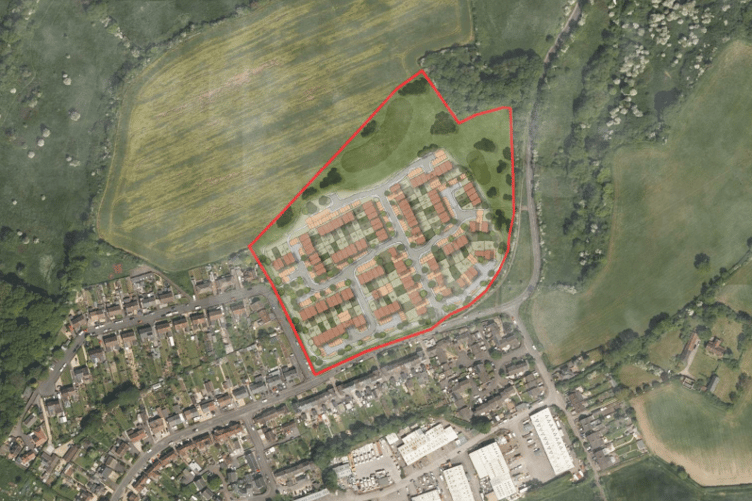
COUNCILLORS have narrowly voted to refuse planning permission for a major development on a site where Iron Age burials were recently discovered.
Developers wanted to build 115 homes in a field on the edge of the small village of Haydon near Radstock.
Labour councillor for Radstock on Bath and North East Somerset Council, Lesley Mansell, warned its planning committee as they debated the plans: “Haydon will be transformed from a rural hamlet into a suburban extension of Radstock.”
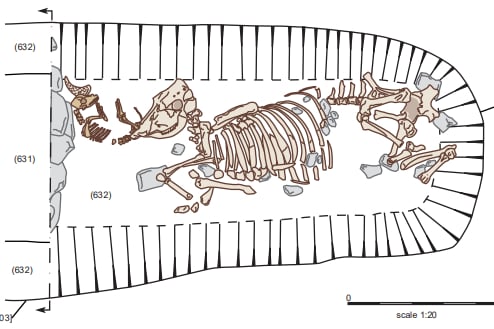
Archaeological surveys in the field, required to secure planning permission, discovered the Iron Age grave of a man, as well as a grave where a dog and a cow were buried together. Cllr Mansell called the finds “exceptional.” She said: “It is Haydon’s own version of Pompeii.”
Housing association Curo had planned to acquire the site if approved. Curo’s Peter Roberts told the planning committee: “There are over 6,000 households on the council’s housing list including over 450 seeking affordable homes in the Radstock and Haydon area.
“Haydon currently has just nine local homes, this scheme would provide 35 more.”
The council’s planning officers had recommended that the homes be approved. Their report stated: “The archaeology has already been excavated and is no longer present on the site.”
But councillors on the planning committee instead voted 4 to 3 to turn down the plans - ultimately citing the overdevelopment and unsustainability of the site rather than concerns about the Iron Age burials.
The committee heard from objectors that the water supply already struggled, the field featured wildlife like red kits and skylarks, and that the area already lacked the jobs and facilities for the homes which had already been built.




Liberal Democrat planning committee member Duncan Hounsell (Saltford) warned that the committee’s power to refuse planning applications had been curtailed by national policy.
He said: “We are obliged to apply the policies as they are, not as we would like them to be.
“The new government doubled the housing target for B&NES. It is mandatory. It has to be addressed. And every change to the national planning policy framework has tried to encourage, more and more, the opportunity for house building.”
But Shaun Hughes (Midsomer Norton North, Independent Group) said: “Why are we here in the first place if we can’t determine this ourselves?”
He added: “In a village that contains 250 homes, a 50 percent increase - 155 more homes - is an overdevelopment of a village.
“We have an obligation here to protect communities and expecting a community to absorb a 50 percent increase is unrealistic.”
The site has not been allocated as a site for housing in the council’s Local Plan - the major document which sets out the council’s planning policies and where developments should go - but is expected to be included in the next Local Plan, which needs public consultation and government approval before it comes into force.
Several major housebuilders have been submitting applications for sites expected to be included in the new Local Plan as they are banking on it being approved.