
.jpeg?trim=0,0,0,0&width=752&height=500&crop=752:500)
WITH the days growing steadily longer and warmer, spring is unmistakably here.
One of its most uplifting spectacles is the Dawn Chorus, a symphony of birdsong created by dozens of species, with mostly male birds singing to demonstrate fitness to female partners and to mark their territory.
In line with International Dawn Chorus Day on May 3, the RSPB shared tips on how to identify key singers. With a growing cast of performers which swells as migratory species such as chiffchaff, nightingale, blackcap, cuckoo arrive in the UK and sing alongside our resident species, the Dawn Chorus builds from March onwards, typically peaking in early May time.
And if heading outdoors at the crack of the day isn’t so feasible, simply throw open a window to bring the chorus in.



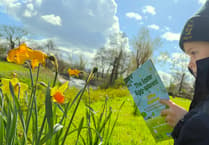
The Dawn Chorus is usually closer than you think. Chances are you can experience it in the garden, from a kitchen window or in a local park.
RSPB birdsong expert Adrian Thomas has some easy steps to get the most out of this year’s Dawn Chorus.
The Blackbird is the master soloist. It sings short verses, each only two to four seconds long, with a rich, confident tone. The Robin has short melodious verses, each different but the tone is more liquid, with slow, still notes then gushing with gurgles and trickles. It’s the most likely common garden bird to sing by streetlight.
The Great Tit most typically sings a seesawing 'teacher teacher' refrain over and over again whilst the Wood Pigeon sings a deep, lowing 'I don't want to go, I don’t want to go, I don’t want to go!”
Finally, the Great Spotted Woodpecker drumming on a hollow tree or telegraph post performs much the same function as a song - a message to announce your presence to a mate, and to say 'This is my territory'.
Comments
This article has no comments yet. Be the first to leave a comment.