
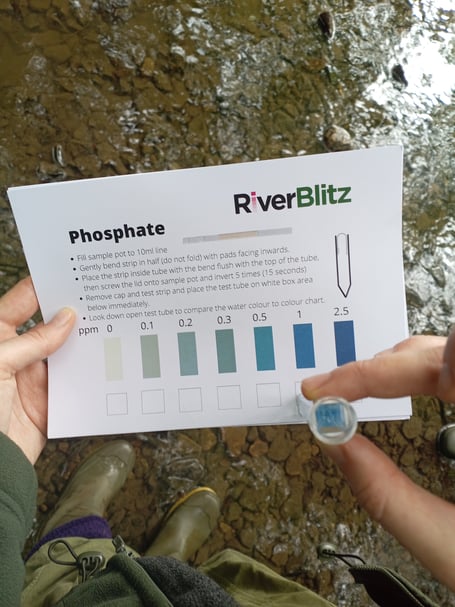
MORE than half of rivers and streams tested across the Bristol Avon catchment showed high phosphate levels this summer, raising fresh concerns about pollution following months of exceptionally dry weather.
Volunteers testing waterways from Bristol and Bath to Frome and Malmesbury found high phosphate readings at 52 per cent of the sites sampled, significantly above the ten-year average of 42 per cent.
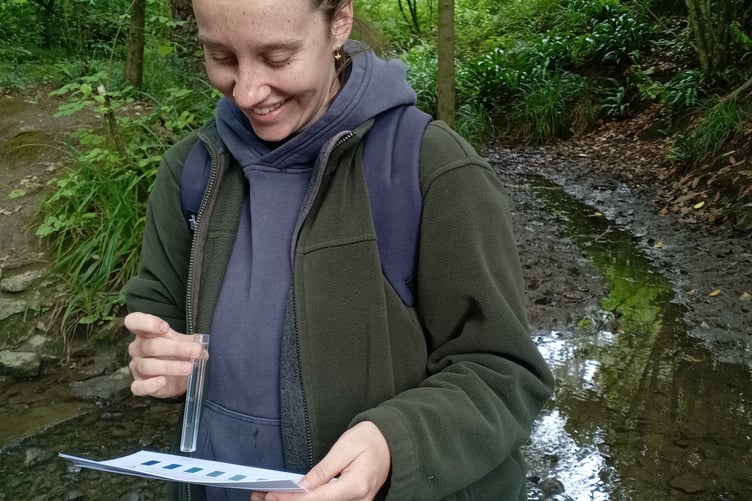
More than 200 volunteers took samples from 283 locations during the annual Bristol Avon RiverBlitz, organised by Bristol Avon Rivers Trust.
The nine-day survey measures phosphate and nitrate levels to provide a snapshot of the health of rivers and streams across the catchment.
The trust said prolonged low rainfall before this year’s survey meant there was less water in rivers to dilute pollution, contributing to higher phosphate concentrations.
Although phosphate occurs naturally, elevated levels can indicate pollution and contribute to harmful algal blooms. Sources can include treated and untreated sewage and agricultural runoff.
Nitrate readings produced a different picture.
A quarter of sites recorded low nitrate levels, compared with a ten-year average of just ten per cent.
But the trust warned that was not necessarily good news.




During prolonged dry weather, nitrate from agricultural land can remain on the ground rather than being washed into waterways.
When heavy rain eventually arrives, accumulated nitrate can be flushed into rivers, potentially causing pollution levels to rise sharply.
The same “first flush” effect can wash pollutants from roads, including oils, heavy metals and microplastics, into nearby waterways.
Simon Hunter, chief executive of Bristol Avon Rivers Trust, said the RiverBlitz provided a snapshot of river health at a particular moment.
“During periods of low flows and drought, nutrients such as phosphate and nitrates can become more concentrated, placing even greater pressure on wildlife and the ecosystems our rivers support,” he said.
“Every sample collected by our volunteers helps us better understand these impacts, identify where action is needed most, and build the evidence to support further investigation.”
While data collected by RiverBlitz volunteers provides a valuable snapshot, it does have limitations and does not capture conditions throughout the entire year.
The strength of the project however lies in the scale of community participation.
With large numbers of volunteers sampling rivers and streams at the same time, the survey can deliver an informative picture of local river health. It can also help to identify patterns and differences between waterways throughout the catchment.
For the first time, this year’s RiverBlitz also asked volunteers how being beside their chosen river made them feel.
Responses ranged from peace, calm and joy to anxiety and sadness about the condition of waterways.
Litter was recorded at 92 of the 283 sites.
Despite that, 60 per cent of volunteers at those locations still reported positive feelings about spending time beside the river.
The findings add to growing evidence that spending time in nature can have significant benefits and that the rivers and streams across the Bristol Avon catchment play an important role in supporting the health and wellbeing of local communities.