
THE largest ever investment in recovering England’s wildlife has been announced by Natural England, with £60 million supporting 130 projects across England including multiple species found in the West of England.
Since 1970, wildlife populations have fallen by a third, with one in six species at risk of extinction.
More than 350 threatened species of plants, animals and fungi, including some only found in this country, will benefit from the Species Recovery Programme.
The Mayor of the West of England has welcomed the news, which comes just weeks after the publication of the first State of Nature Report for the region.
The most comprehensive assessment of the region's wildlife to date revealed the scale of nature's decline, identifying habitats under increasing pressure and highlighting where urgent action is needed.
In response, a £5million Nature Fund has been approved for landscape-scale projects which form part of the Local Nature Recovery Strategy. Alongside this, the Mayor is making a further £25,000 available through the Community Nature Fund to help local people bring grassroots projects to life.
Through the Species Recovery Programme, a range of highly specialised projects across the West of England have secured funding.
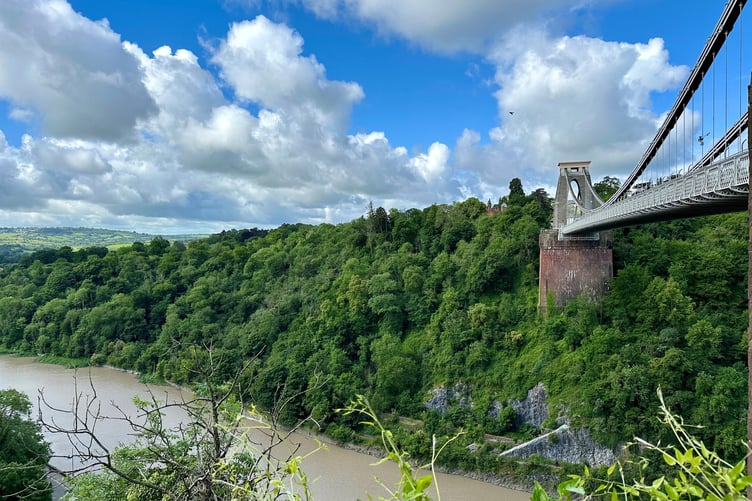
These include a project focused on rare plants and insects in the Avon Gorge; another to revive the perennial grass Bath sedge (Davall’s sedge) last seen in the area in the 1830s, and research into how climate change is affecting the diet of the greater horseshoe bat, a rare species found in south west England.
Mayor of the West of England, Helen Godwin, said: “This new national funding is fantastic news for nature and fantastic news for the West of England, a welcome boost to the work we're already leading through our Local Nature Recovery Strategy.
“We know that our world's wildlife is under pressure, but we also know that when we work together we can turn that around.

-Dawn-Denton-081025.jpeg?width=209&height=140&crop=209:145,smart&quality=75)
“From restoring habitats at a landscape scale to supporting local community projects, investing in nature over the coming years will help make our communities more climate resilient, improve people's wellbeing, and strengthen our regional economy.”
Principal manager Wessex, Natural England, Simon Stonehouse, said: "The Species Recovery Programme is making a real difference in our region. Being able to target specific plants and animals, alongside the broader effort to restore nature, is a vital part of what Natural England does.
“With so many organisations and individuals behind this round of funding, we are confident about what we can achieve for species and their habitats.”
B&NES leader Cllr Kevin Guy, said: “From the Severn Estuary and the Avon Gorge to the North Somerset levels and moors, to the rolling hills of the Cotswolds and the Mendips, our landscapes are nationally acclaimed, but also facing significant challenges.
“The State of Nature report gives the clearest picture ever for our region of where the priorities lie and where action can be most effectively taken to address decline. Whether an organisation, a community or an individual, there are opportunities for all of us to play our part in nature recovery across the West of England.”