
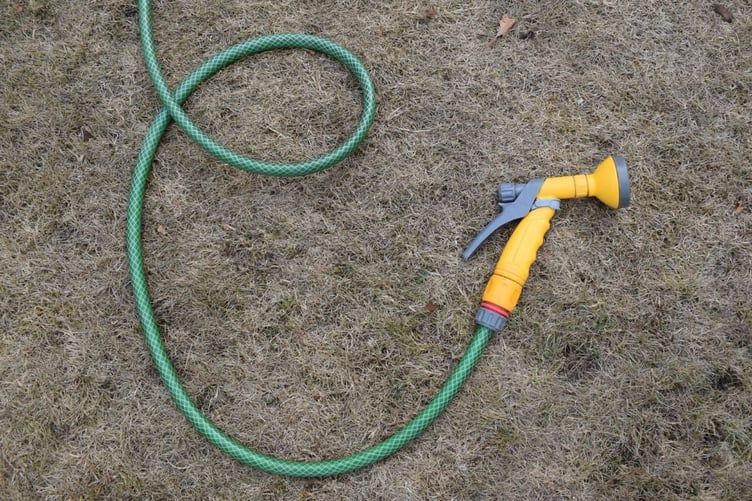
A hosepipe ban has been implemented by the Bristol Water company - its first in more than 30 years.
The company, which supplies household water to more than 1 million customers, says the move is to protect water resources in the River Severn, following a drought order by the Environment Agency.
The company owns three major reservoirs at Chew, Blagdon and Cheddar, and several boreholes as sources of raw water. But nearly half the water used in the area comes from rivers outside the area of supply including the Severn.
Bristol Water said the restriction, which bans people from using hosepipes for watering gardens, washing cars or filling paddling pools, was coming into force from 00:01 Thursday (August 27).
Half of the UK's water companies, including Wessex Water, have now introduced similar bans.
Richard Stanbrook, director for drinking water services at Bristol Water, said: "Introducing a hosepipe ban is never a decision we take lightly, and we fully appreciate the inconvenience it will cause.”
"The water resources we depend on, particularly the River Severn, support the wildlife, habitats and species that rely on water directly or indirectly, and it's critical we all carefully balance public water use with water needed for our natural environment to thrive. We take our responsibility for preserving the water environment very seriously and we know our customers do too,” he added.
You must not use hosepipes for non-essential purposes while the ban is in place.
This includes using a hosepipe to:
- Water your garden
- Wash your car
- Fill a paddling pool, swimming pool or hot tub
- Clean your patio or driveway
- Clean walls and windows
.jpeg?width=209&height=140&crop=209:145,smart&quality=75)

You can still use water as normal for drinking, flushing toilets, washing, and cooking. You may use a watering can to water plants or a bucket and sponge to wash your car.