
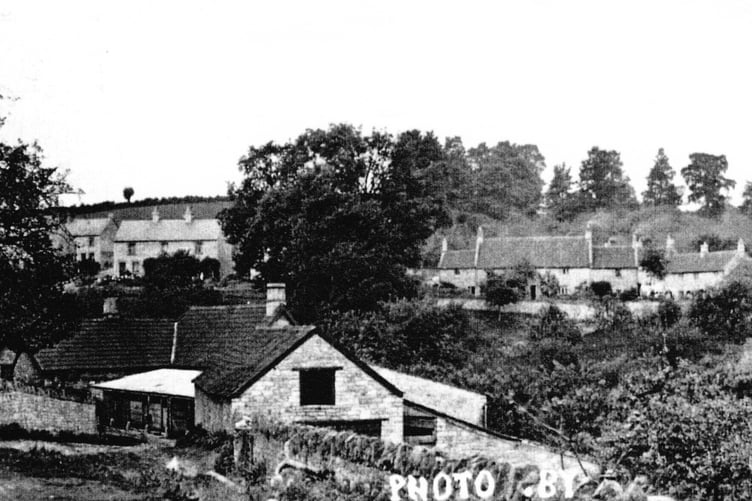
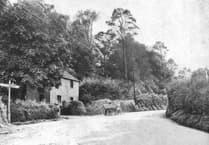
CAN you guess where this week’s Mystery Photograph was taken?
Each week, the Journal invites readers to identify a historic location from days gone by.
Paul Hancock was the first to get in touch with his thoughts on last week’s photograph of local mining history. He said: “I think that’s Camerton (new) Colliery. I believe it closed down in 1952.”
An email from John Wilcox also suggested the same location: “I think that is a photo of Camerton Colliery. This photo doesn't show the batch but if Camerton, it is on the right of the winding gear.”
Jeff Parsons and his coffee club got in touch: “We believe that this week you have shown Camerton New Pit.
“The Camerton pits were initially sunk in 1780 (Old Pit) and early 1800s New Pit. New Pit was connected underground to Old Pit. Old Pit closed around 1890 as a coaling pit but maintained as an emergency exit from New Pit. The ‘take’ area of the two pits was around four square miles.”
Online, Paul Feldwick commented: “It's fascinating to notice the small scale of this pit and its rural surroundings, yet reflect that it produced coal for a century and a half and justified the building of a canal and two railways!”
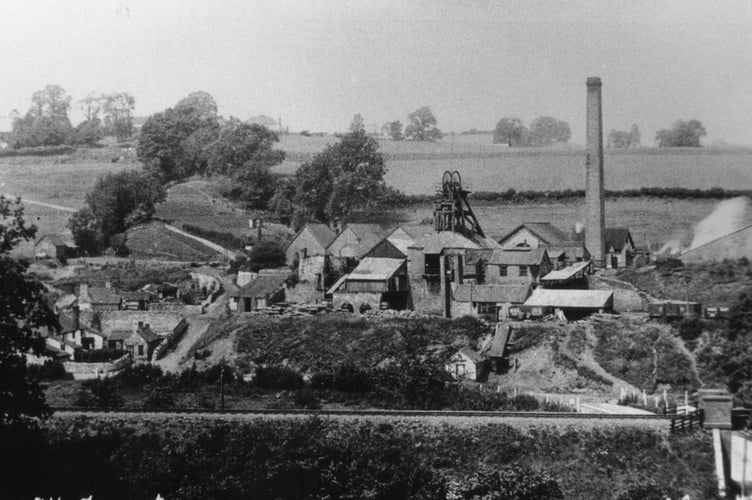
Jerry Coles said: “Camerton New Pit. The railway in the foreground and the embankment and bridge buttress have gone but the other side buttress is still there.
“The little shed on the far left is still there. It used to house a steam engine to wind the tubs up the hill to what is now Travis Perkins to save the horse and cart having to go up the steep part of the hill.”

Neil Phillips added: “Thank you for this photo and info. My mining family - surname Rapps - came from High Littleton and surrounding areas and moved to the deep collieries of South Wales in the late 1800s. I've wondered what the smaller pits they worked at looked like.”
Thank you for all our contributors, and to Radstock Museum for the photographs.
Do drop us a line with this week’s guesses to: [email protected].
Comments
This article has no comments yet. Be the first to leave a comment.