
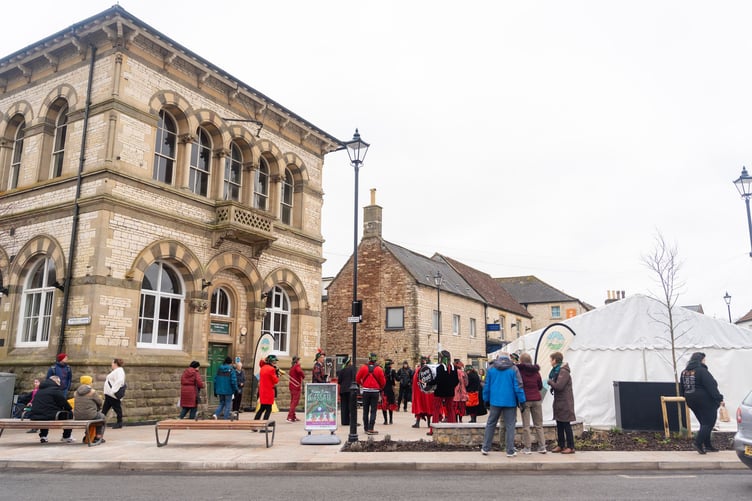
ON the face of it, spending more than £2 million on the Island may seem like a missed opportunity, writes Shaun Hughes, B&NES councillor for Midsomer Norton North.
Many residents can think of other projects in the town centre they would prioritise. The important question is not simply whether the money could have been spent elsewhere, but who made the decision and what constraints applied.
Historic England operated a national programme called the High Streets Heritage Action Zones, providing funding to regenerate historic high streets. To qualify, locations had to meet strict criteria demonstrating significant historic and heritage value.
In Midsomer Norton, the only project that met those criteria was the Market Square, known locally as the Island. Its historic significance dates back to 1242, when King Henry III granted a royal charter for a market.
The crucial point is that this was not a choice between the Island and other local projects. No alternative scheme in Midsomer Norton qualified for this particular funding stream. The decision was between accepting the grant to improve the Island or declining it and seeing the money allocated to another town elsewhere.
During the project it was discovered that the Victorian culvert carrying the River Somer beneath the Island was deteriorating and required highly specialist repairs. The regeneration scheme was able to fund those works, avoiding a substantial future cost to Bath and North East Somerset taxpayers.
The project was funded primarily through Historic England and WECA, with comparatively much smaller contributions from B&NES and Midsomer Norton Town Council.
People will continue to hold different views about the final design, however, the project secured significant external investment, improved a historic public space, and enabled essential infrastructure repairs that would otherwise have required separate public funding.
To be clear, I can think of many other ways in which more than £2 million could be invested in our high street. However, that was never the question. The real choice was whether Midsomer Norton accepted external investment in the Island or lost the opportunity altogether.
It is also important to separate the Island regeneration from the Town Hall project.




The Town Hall scheme was inherited from the previous Town Council and has been funded largely by local taxpayers. It is currently around £1.4 million over budget and approximately three years behind schedule. In my view, that is what can happen when major projects proceed without sufficiently robust financial control, business planning, and delivery oversight. By contrast, the Island regeneration secured substantial external funding and was delivered within budget and on schedule.
Now the more important question is how we make the best possible use of the space. Can it support a larger regular market similar to those in Wells or Frome? Can it host more community events, cultural activities, and town centre attractions that increase footfall and support local businesses?
The investment has been made. The challenge for all of us now is to ensure that the Island becomes a vibrant and well-used town centre space that delivers lasting benefits for Midsomer Norton.